
Why Protecting Wildlife Means Protecting Ourselves

Wildlife conservation is often seen as an act of compassion toward animals. While compassion is certainly a part of it, the reality is far more complex and far more urgent. Protecting wildlife is not just about saving animals, it is about preserving the balance of ecosystems that human life depends on. Every species plays a role in maintaining environmental stability. Predators control populations of other species. Herbivores influence vegetation growth. Pollinators like bees and butterflies are essential for food production. When one species is removed, the effects ripple through the entire ecosystem.
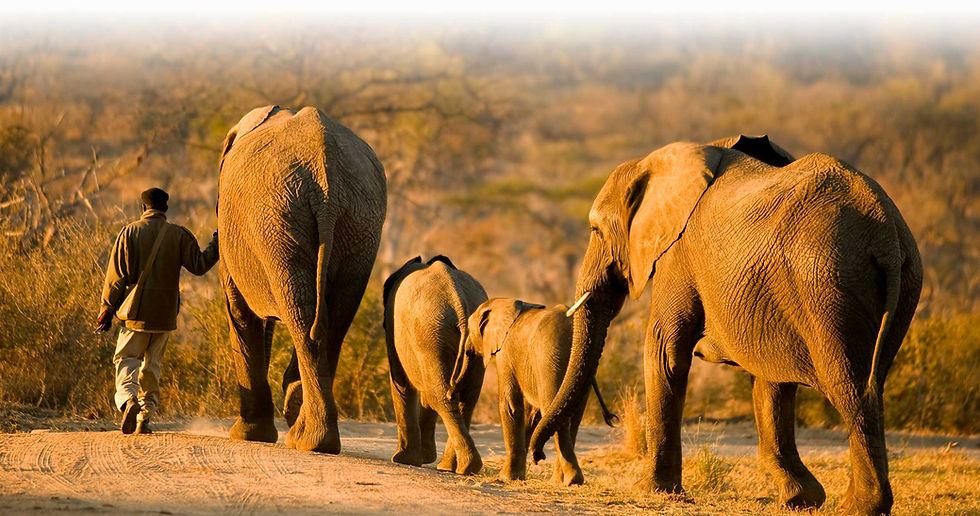
Take elephants, for example. Often referred to as “ecosystem engineers,” elephants shape their environments in ways that benefit countless other species. They create pathways through dense forests, disperse seeds, and help maintain the structure of their habitats. Without them, entire ecosystems can begin to change and not for the better.
Similarly, marine species such as sea turtles play a crucial role in maintaining healthy ocean environments. They help control jellyfish populations and contribute to the health of seagrass beds, which are vital for carbon absorption. When wildlife populations decline, these natural systems begin to weaken. The consequences eventually reach human communities through reduced food security, increased vulnerability to environmental changes, and loss of biodiversity. Unfortunately, wildlife today faces numerous threats. Habitat destruction, illegal hunting, pollution, and climate change are all contributing to declining populations across the globe. Conservation efforts are ongoing, but they require continuous support both in awareness and funding.

This is where new approaches are making a difference. Through the Eco-Hero Launchpad by We Save The World, children are introduced to the idea that they can be part of conservation efforts. By creating missions focused on protecting specific species, they contribute to raising awareness and generating support for organizations working on the ground. This approach does more than support wildlife. It builds a generation that understands the interconnectedness of life.

When a child learns that protecting an elephant is also about protecting forests, and protecting forests is about protecting the planet, they begin to see the bigger picture.
And that understanding is where real, lasting change begins.


Comments